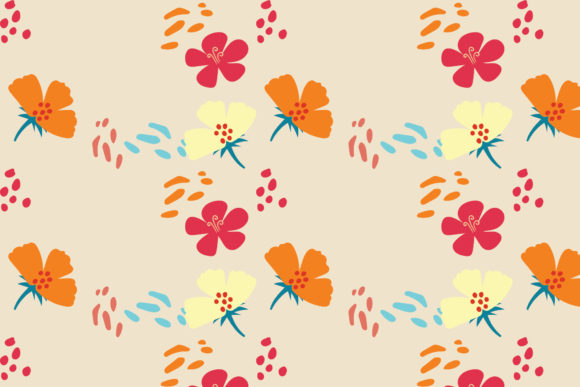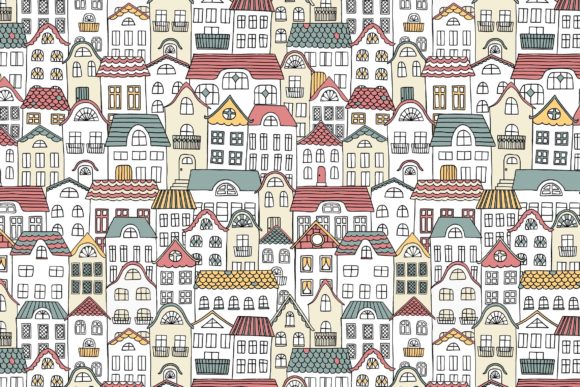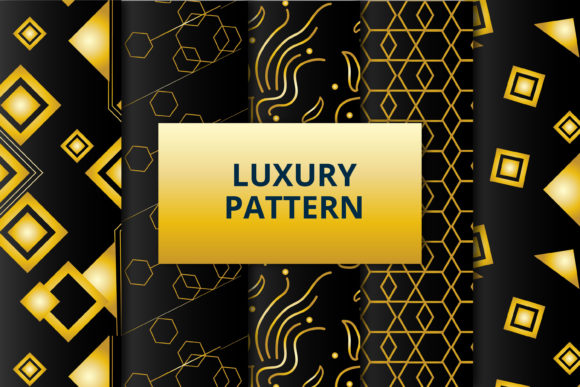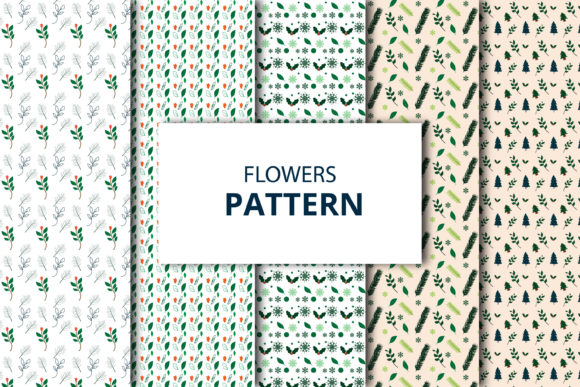
Hand Draw Pattern
A Hand Draw Pattern refers to a decorative or functional design created using manual drawing techniques—such as ink, pencil, or brush—and then digitized for digital use. Unlike vector-based geometric repeats or algorithmically generated motifs, this type of pattern retains visible imperfections: slight line variations, subtle texture, organic spacing, and expressive mark-making. These qualities give the pattern a human, tactile character that stands in contrast to perfectly uniform digital assets.
People often seek out Hand Draw Patterns when they aim to add warmth, authenticity, or artisanal nuance to visual projects. This includes designers working on branding for small businesses, illustrators building cohesive visual libraries, crafters preparing files for cutting machines, or educators developing printable learning materials. The appeal lies not in technical precision—but in expressive intention.
Why Consider a Hand Draw Pattern?
There are several practical motivations behind choosing this style over alternatives:
- Visual differentiation: In saturated digital spaces, hand-drawn elements help designs stand out by signaling craftsmanship and individuality.
- Brand alignment: Businesses emphasizing handmade goods, sustainability, or local production often find Hand Draw Patterns reinforce their messaging more effectively than sterile, symmetrical repeats.
- Adaptability across media: When digitized thoughtfully, these patterns scale well across print (e.g., stationery, packaging) and digital (e.g., website backgrounds, social media banners).
What to Expect from This Specific Design
The illustration described is delivered in six widely supported file formats: AI, EPS, SVG, DXF, JPG, and PNG. Each version uses a consistent canvas size of 1920 px × 1280 px—suitable for high-resolution displays and many print applications at standard DPI settings.
The AI and EPS files preserve vector paths and layers, enabling full editing of strokes, colors, and composition in Adobe Illustrator or compatible software. SVG offers lightweight scalability for web use, while DXF supports compatibility with CNC routers and laser cutters. JPG and PNG provide ready-to-use raster versions, with PNG supporting transparency for flexible layering.
This format variety means users can adapt the Hand Draw Pattern without needing to convert or retrace—reducing friction in both professional and hobbyist workflows.
Benefits and Tradeoffs
Benefits include:
- Editability: Vector formats allow color changes, scaling, cropping, and integration into larger compositions without quality loss.
- Consistency across outputs: Because all versions originate from the same source, visual fidelity remains intact whether used on a business card or a wall mural.
- Time savings: Starting with a refined, pre-digitized Hand Draw Pattern avoids the hours required to scan, clean, trace, and optimize original sketches.
Tradeoffs to consider:
- Style limitations: A Hand Draw Pattern reflects one artist’s aesthetic sensibility. Its line weight, density, and rhythm may not suit every project—even if technically adaptable.
- Resolution constraints in raster files: While JPG and PNG are convenient, they’re fixed-resolution. Enlarging them beyond 1920×1280 px may result in pixelation unless upscaled carefully.
- Software dependency: Full editing requires vector-capable tools. Users unfamiliar with Illustrator, CorelDRAW, or Inkscape may need time to learn basic path manipulation.
When This Hand Draw Pattern Is a Strong Fit
This asset works best in contexts where expressive texture matters more than mathematical repetition. Examples include:
- Branding for studios, cafés, or independent makers whose identity centers on analog processes or slow-design values.
- Educational resources—like worksheets or flashcards—where visual softness reduces cognitive load for younger learners.
- Craft-based applications such as vinyl cutting, embroidery digitizing, or wood-burning templates, where the DXF or SVG version provides precise outlines.
- Digital interfaces seeking gentle background textures—e.g., dashboard overlays or presentation slide fills—that avoid visual fatigue.
When Alternatives May Be More Appropriate
A Hand Draw Pattern may be less suitable when:
- Precision is critical: Technical illustrations, engineering schematics, or UI icon systems benefit from clean geometry and strict alignment—qualities better served by parametric or grid-based vector patterns.
- Dynamic scaling is required across many sizes: While SVG handles scaling well, complex hand-drawn details can become illegible at very small sizes (e.g., favicons or mobile app icons). Simpler, bolder motifs may perform better.
- Commercial licensing restrictions apply: Always verify usage rights. Some Hand Draw Patterns carry limitations on merchandise resale or SaaS integration—this particular design does not specify such terms, so users should confirm permissions directly with the provider if intended for commercial redistribution.
- Customization depth exceeds provided assets: If you require variations in repeat structure (e.g., half-drop or brick repeats), or need seamless tiling across arbitrary dimensions, additional work may be needed—even with editable vector files.
Making an Informed Decision
To determine whether this Hand Draw Pattern aligns with your needs, ask yourself:
- Does the visual tone match my project’s intent? Review the sample closely—not just for content, but for line confidence, spacing rhythm, and overall energy.
- Which formats do I actually need? If you only use Canva or Figma, SVG and PNG will likely suffice; AI/EPS are unnecessary unless you plan deep edits.
- What’s my next step after download? If your goal is immediate use in a cutting machine, prioritize DXF or SVG. For web backgrounds, SVG or PNG with transparency is ideal.
- How much time am I willing to invest in adaptation? Even “easy to use” assets may require minor adjustments—like recoloring or cropping—to fit layout constraints.
Finally, remember that no single Hand Draw Pattern serves every purpose. Its value emerges most clearly when chosen deliberately—not as a default, but as a considered tool within a broader design strategy.