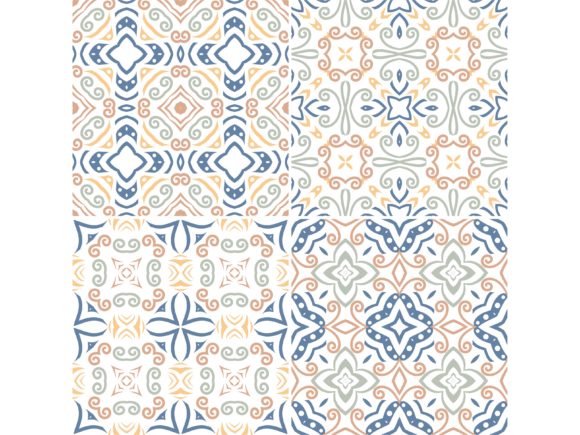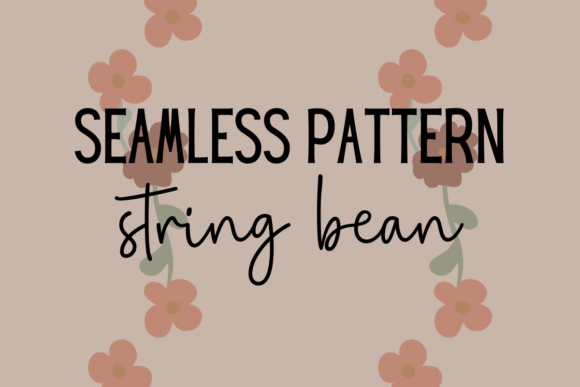
Vintage Floral Boarder: A Timeless Design Element for Digital Artists
Vintage Floral Boarder is a design concept that blends the elegance of historical floral patterns with modern digital art techniques. These intricate borders, often inspired by 19th-century botanical illustrations and Art Nouveau motifs, have become popular among artists, designers, and crafters looking to add a touch of nostalgia and sophistication to their work. When created using Procreate, a powerful digital illustration app, Vintage Floral Boarders can be customized, scaled, and adapted for various creative projects.
What Is a Vintage Floral Boarder?
A Vintage Floral Boarder refers to a decorative border pattern featuring stylized flowers, vines, leaves, and other natural elements arranged in a repeating or symmetrical layout. These designs often reflect the aesthetic of past eras, such as Victorian, Art Deco, or Rococo styles. When created digitally using Procreate, these boarders can be easily edited, colored, and applied to a wide range of media, including greeting cards, stationery, textiles, and digital backgrounds.
The 12x12 file size commonly used for these designs ensures that they are suitable for both print and digital use. This standard size allows for flexibility in scaling while maintaining clarity and detail, making it an ideal format for artists who want to integrate vintage elements into their work without compromising quality.
Why Someone Might Be Interested in Vintage Floral Boarders
Artists and designers may find Vintage Floral Boarders appealing for several reasons. First, they offer a way to incorporate historical aesthetics into contemporary projects, allowing creators to blend old-world charm with modern design sensibilities. This can be particularly useful for those working on themed projects, such as wedding invitations, book covers, or packaging design.
Additionally, the versatility of Procreate makes it easier than ever to experiment with different color schemes, textures, and layouts. Users can adjust the lines, fill areas, or add custom details to suit their specific needs. For those new to digital art, learning to create or modify Vintage Floral Boarders can also serve as a valuable skill-building exercise.
Benefits of Using Vintage Floral Boarders
One of the main advantages of Vintage Floral Boarders is their ability to elevate the visual appeal of any design. Their intricate details and classic symmetry can add a sense of refinement and timelessness to projects that might otherwise feel generic or overly modern. This makes them especially useful for creating content that targets audiences with a preference for traditional or artisanal aesthetics.
Another benefit is their adaptability. Whether used as a background, a frame, or a standalone element, Vintage Floral Boarders can be modified to fit a variety of artistic styles. They are also useful for creating cohesive design systems, where consistent visual elements help reinforce brand identity or thematic unity.
Tradeoffs and Considerations
While Vintage Floral Boarders offer many benefits, there are also some tradeoffs to consider. One potential drawback is that their complexity can make them difficult to customize without advanced design skills. Users who are not familiar with Procreate or similar tools may find it challenging to edit or scale the files effectively.
Additionally, the popularity of vintage-inspired designs means that they may not always stand out in a crowded market. Artists should be mindful of how unique their final product will be and whether the chosen design aligns with their creative goals. In some cases, simplifying or reinterpreting the boarder may be necessary to achieve a more original look.
Situations Where Vintage Floral Boarders Are a Strong Fit
Vintage Floral Boarders are particularly well-suited for projects that emphasize craftsmanship, tradition, or nostalgia. For example, independent artists creating handmade products may find these boarders useful for adding a refined touch to packaging or promotional materials. Similarly, designers working on editorial projects, such as magazines or books, may use them to enhance the visual storytelling aspect of their work.
They are also ideal for personal or small-scale creative ventures, such as crafting personalized stationery, designing social media graphics, or producing digital artwork for sale. The 12x12 file size ensures that these boarders can be easily integrated into various formats, making them a practical choice for a wide range of applications.
Situations Where Alternatives May Be Worth Considering
In some cases, alternatives to Vintage Floral Boarders may be more appropriate. For instance, if the goal is to create a minimalist or modern design, a simpler border or graphic element might be more effective. Similarly, if the intended audience prefers a more contemporary style, incorporating abstract or geometric patterns could be a better choice.
Artists who are looking for something entirely unique may also explore custom design options rather than relying on pre-made boarders. While this approach requires more time and effort, it can result in a more distinctive and personalized outcome. Additionally, those working on large-scale commercial projects may need to consider licensing and copyright issues when using pre-designed elements.
Practical Decision-Making Insights
When deciding whether to use Vintage Floral Boarders, it's important to evaluate the project’s goals, target audience, and overall aesthetic. Ask yourself: Does this design element support the message or theme of the work? Will it resonate with the intended viewers? How does it compare to other available options in terms of style, usability, and uniqueness?
For those new to Procreate, experimenting with different design elements can help develop a better understanding of how to apply and modify Vintage Floral Boarders effectively. Starting with simple projects and gradually increasing complexity can build confidence and improve technical skills over time.
Ultimately, the decision to use Vintage Floral Boarders should be based on a thoughtful evaluation of how well they meet the specific needs of the project. By considering both their strengths and limitations, artists and designers can make informed choices that enhance their creative output and align with their long-term goals.