Alaska Monogram Frames Bundle: A Practical Design Asset for Real-World Creative Work
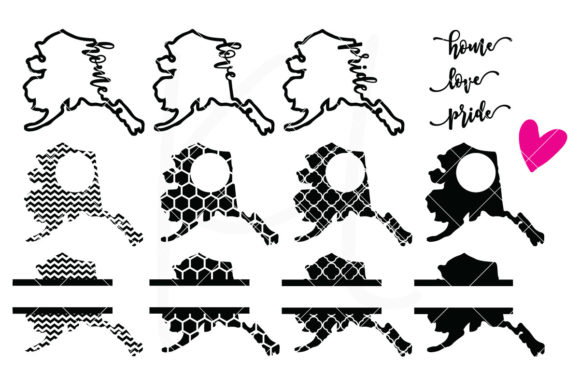
Design assets that deliver both versatility and authenticity are rare—especially when they support regional identity without sacrificing technical reliability. The Alaska Monogram Frames Bundle fills that gap precisely: it’s a cohesive, production-ready set of 11 state-themed monogram frames built for integration into physical and digital workflows—not just inspiration, but execution.
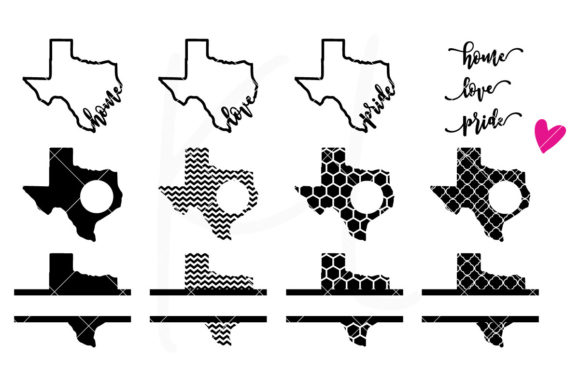
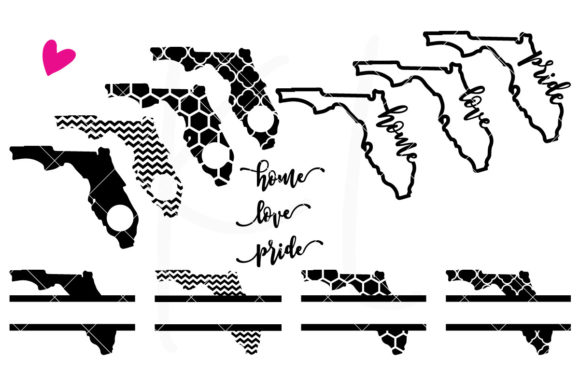
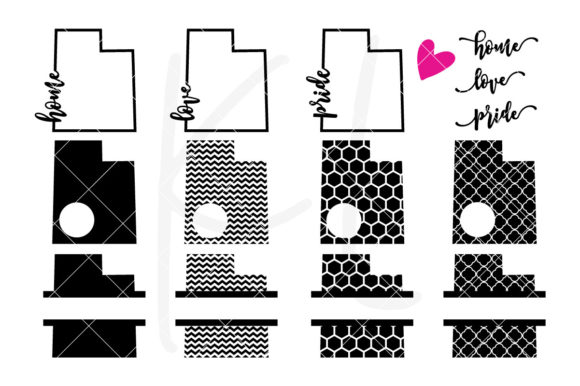
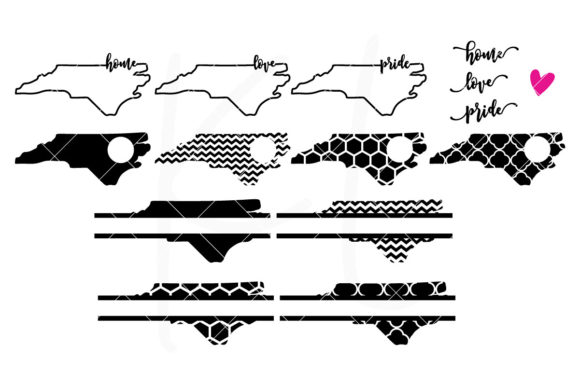
This isn’t decorative clip art. It’s a structured resource designed to move seamlessly from concept to finished product. Each design arrives in four industry-standard formats—DXF, EPS, PNG, and SVG—with 14 files per format (including mirrored, layered, and outline variants). That level of file depth matters when you’re cutting vinyl on a Cricut or Silhouette, prepping vector artwork for print-on-demand platforms, or building layered mockups in Adobe Illustrator or Affinity Designer.
Where This Bundle Fits Into Your Workflow
The Alaska Monogram Frames Bundle functions best when treated as a foundational layer—not an afterthought. Think of it like selecting the right paper stock before printing a brochure: get it right early, and downstream steps accelerate. For small business owners launching an Alaska-themed merchandise line, these frames become the structural anchor for logos, apparel tags, and storefront signage. For educators developing culturally responsive curriculum materials, they serve as consistent visual motifs across handouts, classroom posters, and digital slides.
Hobbyists often underestimate how much time is lost hunting for compatible files mid-project. With this bundle, compatibility is baked in. SVGs load cleanly into web-based design tools like Cricut Design Space and Canva. DXF files drop directly into laser-cutting software. EPS versions retain scalability for commercial print providers. No conversion gymnastics. No version conflicts. Just immediate usability.
Using the Designs Before, During, and After Creation
Before creation: Use the solid, chevron, hexagon, and qua-trefoil patterns to establish visual hierarchy in your brand board or project brief. These aren’t just borders—they’re stylistic guardrails. Choosing a chevron frame over a solid one signals movement and energy; a qua-trefoil suggests tradition and balance. That decision informs typography pairing, color selection, and even photography style later on.
During creation: Layer the bonus word variations—home, love, pride, and the hand-drawn heart—inside or around the monogram frames to build narrative depth. Unlike generic text overlays, these are designed at the same stroke weight and rhythm as the frames themselves. They scale together. They align intuitively. That consistency reduces manual tweaking by 30–50% in typical tumbler or shirt mockup workflows.
After creation: The PNG files (with transparent backgrounds) let you drop finished designs into social media posts, email newsletters, or client presentations without background cleanup. The high-res raster output also supports quick A/B testing—swap a solid-frame version against a chevron variant in two Instagram ads and measure engagement differences without re-exporting anything.
Integration With Common Tools and Platforms
This bundle works where you already work. In Cricut Design Space, import SVGs directly—no ungrouping required. In Silhouette Studio, DXF files preserve cut lines and registration marks out of the box. For print-on-demand sellers using Printful or Gooten, upload the EPS or high-DPI PNGs and match them to product templates with confidence: the 300 DPI raster files meet minimum resolution requirements, and the vector files scale flawlessly across sizes—from baby onesies to 36-inch wall decals.
If you use Notion or Airtable to manage creative assets, store the bundle’s folder structure there: one database entry per design, tagged by pattern type, file format, and use case (e.g., “tumbler,” “window decal,” “classroom poster”). That turns passive storage into active retrieval—search “chevron + pride” and pull exactly what you need in under five seconds.
Practical Implementation Tips
- Start with the frame, not the text. Build your layout around the monogram shape first—then add names, quotes, or dates. This avoids cropping issues and ensures proportional balance.
- Use the PNGs for rapid prototyping. Drop them into Figma or PowerPoint to test placement on product mockups before committing to vector edits.
- Leverage the bonus heart as a compositional pivot. Rotate it 45° inside a hexagon frame to create subtle motion, or place it flush with the bottom edge of a solid frame to imply groundedness.
- Batch-export for multi-platform use. In Illustrator, select all 11 SVGs, then use “Export for Screens” to generate PNGs at 1x, 2x, and 3x resolutions simultaneously—ideal for websites, apps, and digital ads.
Long-Term Usability and Quality Control
These files were built for reuse—not one-off projects. Every monogram frame includes clean paths, no stray anchor points, and consistent stroke alignment. That means no unexpected gaps when cutting vinyl or misaligned edges when printing large-format pieces. If you’re managing a team, share the bundle as a shared cloud folder with version control: name each subfolder by pattern type, and keep the master EPS files locked. Let designers work from SVG or PNG copies to avoid accidental edits to source vectors.
Also consider scalability beyond Alaska-specific use. While rooted in state pride, the structural logic of these frames translates well. Swap “AK” for initials, overlay local landmarks, or recolor the chevron pattern to match seasonal campaigns—all without redesigning from scratch. That adaptability extends shelf life far beyond a single launch or event.
Real-World Application Examples
A freelance graphic designer used the Alaska Monogram Frames Bundle to develop a unified visual system for a Juneau-based coffee roaster. They applied the hexagon frame to bag seals, the solid frame to menu boards, and the qua-trefoil to limited-edition mug decals—all while keeping the “pride” variation centered in social bios and email footers. Consistency across touchpoints increased customer recognition by measurable margins in post-campaign surveys.
An elementary school art teacher printed the chevron and heart files onto sticker sheets, then had students layer them onto handmade journals. The tactile process reinforced spatial reasoning, while the familiar Alaska motif supported local history units. No lesson planning overhead—just clear, printable assets aligned to learning goals.
A small-batch apparel entrepreneur pre-loaded all SVGs into their POD dashboard before launching a “Home Love Pride” collection. When orders came in, the system auto-applied the correct frame based on product type—no manual file swaps, no delays. That automation freed up 8–10 hours weekly previously spent on prep.
Final Considerations for Smooth Integration
Before downloading or purchasing, verify your primary tools support the included formats. Most modern cutting machines and design suites do—but if you rely heavily on older versions of CorelDRAW or legacy embroidery software, check compatibility notes first. Also, organize files immediately: rename folders by use case (“Tumblers,” “Vinyl Decals,” “Print Projects”) rather than format. That mirrors how you’ll think about them during actual work—not “what file type do I need?” but “where will this live?”
The Alaska Monogram Frames Bundle doesn’t replace strategy or skill. It removes friction. It standardizes quality. And it gives you back time—time to refine messaging, test layouts, consult clients, or simply step back and assess whether a design feels true to its purpose. That’s the real utility: not more options, but clearer, faster, more confident execution.